The Ultimate Guide to Hydrangea Maintenance
Posted on 13/08/2025
The Ultimate Guide to Hydrangea Maintenance
Hydrangeas are a beloved garden staple, renowned for their lush blooms and dramatic displays of color. From classic blue mopheads to the elegant panicles of Hydrangea paniculata, these showy perennials can transform any landscape. Yet for enduring beauty, understanding proper hydrangea maintenance is key. In this comprehensive guide, you'll discover everything you need to know to grow, nurture, and enjoy thriving hydrangeas year after year.
Why Hydrangea Maintenance Matters
Regular hydrangea care not only preserves the health of your plants but also ensures prolific blooms and disease resistance. Neglected hydrangeas can become leggy, succumb to pests, or fail to produce those much-anticipated flower heads. By following best practices for hydrangea upkeep, you'll enjoy a stunning, low-fuss addition to your outdoor space.

Understanding Hydrangea Types
Before you dive into specific care techniques, recognize the distinct species of hydrangeas commonly found in gardens. Each variety has unique requirements and pruning needs.
- Hydrangea macrophylla (Bigleaf Hydrangea): Known for globe-like blue or pink flowers, often called mopheads or lacecaps.
- Hydrangea paniculata (Panicle Hydrangea): Cone-shaped, white-to-pink blooms. Hardy and reliable in many climates.
- Hydrangea arborescens (Smooth Hydrangea): Rounded, white blooms. The famous variety 'Annabelle' is in this group.
- Hydrangea quercifolia (Oakleaf Hydrangea): Distinctive lobed leaves and large, elongated clusters of white flowers.
- Hydrangea serrata (Mountain Hydrangea): Smaller flowers and leaves, but prized for cold hardiness.
Knowing which type graces your garden is essential for optimal hydrangea maintenance strategies.
Site Selection and Planting Advice
Choosing the Perfect Spot
Hydrangeas prefer a moderately sunny location with morning sun and afternoon shade. Too much sunlight can scorch leaves, while deep shade reduces flower production. Ensure well-draining, rich soil and protection from harsh winds.
Planting Step-by-Step
- Dig a hole twice as wide and as deep as the root ball.
- Add compost or organic matter to enrich the soil.
- Place the hydrangea in the hole, ensuring the crown is level with the ground.
- Backfill with soil and water thoroughly.
- Apply a layer of mulch to retain moisture and suppress weeds.
Tip: Plant hydrangeas in early spring or fall for the best establishment.
Hydrangea Watering Needs
Consistent moisture is vital for healthy hydrangeas. They do not tolerate drought well as their large leaves transpire quickly. The golden rule is: Keep soil evenly moist, but not soggy.
- Water deeply at the base 1-2 times per week.
- Increase frequency during hot or windy weather.
- Use soaker hoses or drip irrigation to minimize leaf wetness and reduce disease risk.
- Mulch 2-3 inches deep to regulate temperature and retain moisture.
Avoid: Frequent, shallow watering--this promotes weak root systems and stressed plants.
Fertilizing Hydrangeas for Maximum Blooms
Balanced nutrition supports vibrant blooms and vigorous growth. Exact fertilizer needs depend on soil type and hydrangea species, but general guidelines apply:
When and What to Feed
- Fertilize in early spring as new growth emerges.
- Use a slow-release, balanced fertilizer (such as 10-10-10) unless your variety has specific needs.
- Repeat every 4-6 weeks if using a water-soluble blend, but stop by midsummer to avoid stimulating tender growth before frost.
Bigleaf hydrangeas (Hydrangea macrophylla) benefit from additional phosphorus if you're seeking blue or pink flowers (see below on color control). Over-fertilization can cause lush foliage with few blooms, so follow package rates carefully.
How to Prune Hydrangeas
Proper hydrangea pruning not only keeps plants shapely but also ensures a bounty of blossoms. Pruning techniques vary--do you know which stems will bloom next year?
When to Prune by Hydrangea Variety
- Hydrangea macrophylla and Hydrangea quercifolia bloom on "old wood" (last year's stems). Prune immediately after flowering; avoid cutting back in winter or spring or you'll lose blooms.
- Hydrangea arborescens and Hydrangea paniculata bloom on "new wood" (this season's growth). Prune in late winter or early spring, cutting stems back to 12-18 inches for strong, productive growth.
General Pruning Steps
- Remove dead or diseased wood at any time.
- After bloom, trim away spent flower heads and weak stems.
- For vigorous, older plants, cut up to one-third of stems to the base to rejuvenate shape and airflow.
Tip: Always use sharp, clean pruners to reduce the risk of disease transmission.
Controlling Hydrangea Color
For Bigleaf hydrangeas, flower color is influenced by soil pH:
- Blue blooms: Soil pH below 6.0 (acidic).
- Pink blooms: Soil pH above 7.0 (alkaline).
- Purple/lavender blooms: Neutral pH.
How to Adjust Color
- To encourage blue flowers, add aluminum sulfate or sphagnum peat moss to the soil.
- To promote pink flowers, use garden lime to increase alkalinity.
- Test soil yearly to monitor changes--color shifts are gradual.
Note: White hydrangeas (like 'Annabelle' or 'PeeGee') are not affected by soil pH and won't change color.
Mulching and Weeding for Healthy Hydrangeas
Mulching is a simple, effective strategy for hydrangea garden maintenance:
- Apply 2-3 inches of organic mulch (shredded bark, compost, pine needles).
- Keep mulch clear from direct contact with stems to prevent rot.
- Weed regularly by hand to avoid root disturbance.
Pest and Disease Management
While hydrangeas are relatively resilient, a few common problems can disrupt their beauty. Here's how to keep them in check:
Frequent Issues
- Aphids and spider mites: Blast off with water or use insecticidal soap.
- Powdery mildew: Improve air circulation, water at the base, and avoid overcrowding.
- Leaf spots and blights: Remove affected leaves and improve airflow; use fungicides only if necessary.
Tip: Healthy, well-maintained hydrangeas are far less likely to attract pests or succumb to diseases.
Hydrangea Winter Care
Cold weather care is crucial, especially for varieties marginally hardy in your zone.
- Bigleaf and Mountain Hydrangeas: Protect with a thick 6" blanket of mulch or straw over the roots after the first freeze.
- Cover stems with burlap or a home-made frame if late spring frosts threaten new buds.
- Panicle and Smooth Hydrangeas: These are more winter hardy and generally require less protection.
Winter Tips
- Do not prune in fall--they depend on old wood for flowering.
- Remove mulch in early spring to allow new growth.
Frequently Asked Hydrangea Maintenance Questions
How can I revive a wilted hydrangea?
Wilting often signals dryness or root stress. Water deeply, ensure the root ball is moist, and shade from midday sun. For potted hydrangeas, submerge the container in a tub of water until bubbles subside.
Why won't my hydrangea bloom?
- Pruning at the wrong time may have removed flower buds.
- Winter damage or late frosts may have killed the buds.
- Excess fertilizer encourages leaf growth at the expense of flowers.
- Insufficient sunlight--move to a brighter spot if possible.
Can I grow hydrangeas in containers?
Yes! Choose a large pot, use high-quality potting mix, and water regularly. Container hydrangeas require more frequent feeding and protection from extreme cold.
The Best Hydrangea Maintenance Routine: Month-by-Month
- Spring: Remove winter mulch, prune as appropriate, fertilize, and check for pests.
- Summer: Mulch, water deeply, deadhead spent blooms, feed again, and watch for diseases.
- Fall: Clean up debris, stop fertilizing, and start winter preparations.
- Winter: Protect roots and stems in colder regions; minimal watering needed.
Landscape Design with Hydrangeas
Hydrangeas offer more than just color--they provide structure and seasonal interest to gardens of all sizes.
- Layer different hydrangea varieties for extended bloom times and texture.
- Combine with shade-loving plants like hostas and ferns for lush, woodland borders.
- Use hydrangeas as statement specimens or low formal hedges.
- Enhance curb appeal by planting along walkways, patios, or foundations.
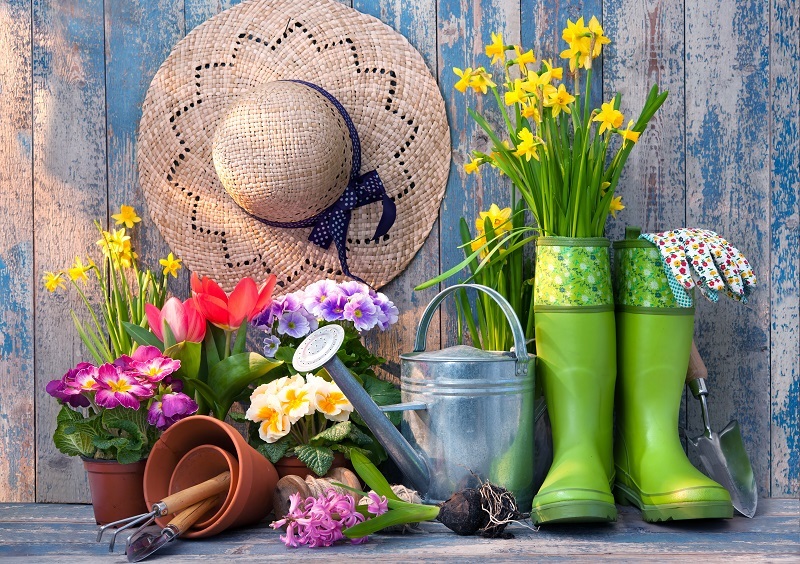
Essential Tools for Effective Hydrangea Care
- Hand pruners and loppers for precise cuts.
- Soaker hoses for targeted watering.
- Mulching fork or shovel for easy mulch application.
- Balanced fertilizer formulated for blooming shrubs.
- pH tester if adjusting soil for color manipulation.
Conclusion: Long-lasting Hydrangea Beauty
Maintaining hydrangeas--from correct watering and feeding to strategic pruning and winter protection--will reward you with a breathtaking floral display in your landscape. With these hydrangea maintenance tips, both new and seasoned gardeners can achieve healthy, prolific hydrangea plants year after year.
Commit to regular care, tailor practices to your plant's variety, and enjoy the timeless elegance of hydrangeas at their absolute best.
Latest Posts
Gifting Flowers Near [LANDMARK]: Unique Bouquets That Impress
Best Flowers for Homes in [POSTCODE]: Local Expert Recommendations
Unlocking Secrets to Orchid Health and Vitality